
When reviewing the specification sheet, have you noticed an entry labelled ‘Power Steering Type’? Common options in this section include mechanical hydraulic power steering, electronic hydraulic power steering, and electric power steering. What exactly does ‘Power Steering Type’ refer to? What do these three variants represent? What are the differences and respective advantages and disadvantages of each method?
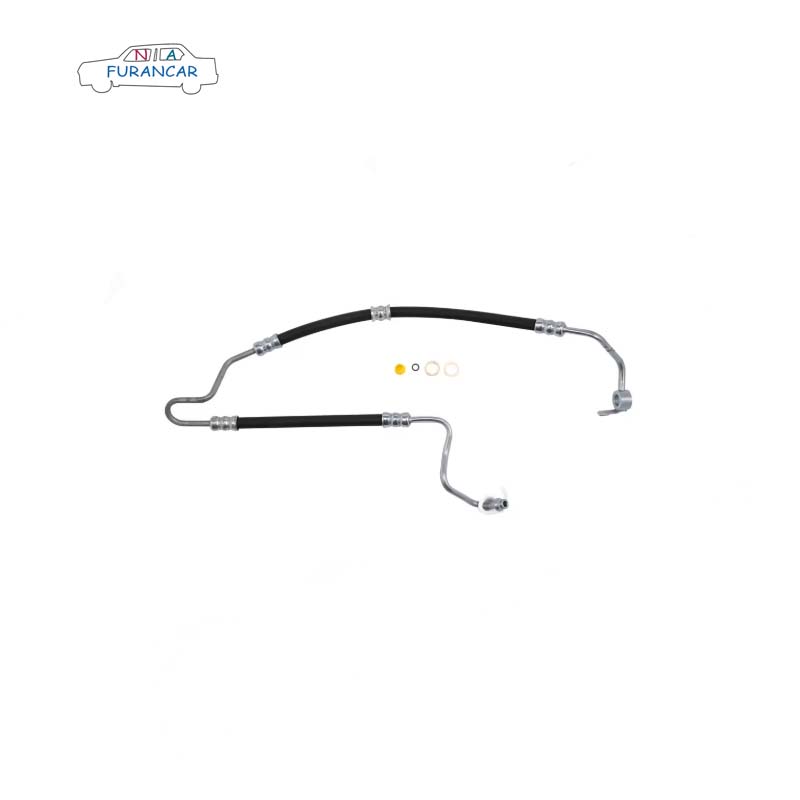
We've all experienced it firsthand: when the engine isn't running, even with all your strength, it's incredibly difficult to turn the steering wheel. Just imagine – can you really expect to effortlessly manoeuvre something weighing nearly two tonnes? To tackle this issue, a system known as power steering was developed. As the name suggests, its purpose is to assist you in turning the wheel. Currently, the market primarily offers three types of power steering: mechanical hydraulic power steering, electronic hydraulic power steering, and electronic power steering.
1.Mechanical hydraulic power steering
Mechanical hydraulic power steering systems typically comprise components such as a hydraulic pump, oil lines, pressure and flow control valve bodies, drive belts, and reservoir tanks. The operating principle involves the hydraulic pump generating oil pressure to actuate a piston, thereby producing an auxiliary force that drives the steering linkage to assist wheel turning. Vehicles equipped with this system often exhibit heavier steering feel and increased engine load during low-speed, wide-radius turns. Due to the high pressure generated by the hydraulic pump, the power steering system is also more susceptible to damage. Mechanical hydraulic power steering systems are commonly employed in most economy saloon cars.
2.Electronic Hydraulic Power Steering
Primarily comprising a reservoir tank, power steering control unit, electric pump, steering gear, and power steering sensor, the electronic hydraulic power steering system employs an electrically driven electric pump, wherein the power steering control unit and electric pump form an integrated assembly. This system enables smoother cornering and driving by calculating the optimal steering assistance based on signals such as vehicle speed and steering angle, as determined by the electronic control unit. The electronic hydraulic power steering system is currently the most widely adopted power steering system.
Generally comprising a steering sensor, electronic control unit, electric motor, reduction gear, mechanical steering gear, and power supply, the specific configuration may vary. The absence of hydraulic components such as the hydraulic pump, hydraulic lines, and steering column valve body results in a simpler structure. Under the control of the electronic control unit, the vehicle can readily achieve variable assistance functionality. This means greater assistance energy and lighter steering at lower speeds, while reduced assistance energy and heavier steering are provided at higher speeds. When no steering input is required, the system remains inactive, entering a dormant state awaiting activation. Such power steering systems are commonly found in premium saloon cars, and an increasing number of vehicles are now adopting this form of steering assistance.
Power steering fluid, being subjected to continuous extreme pressure and high-temperature conditions, will deteriorate and become contaminated over time, losing its lubricating properties. This leads to the formation of deposits such as varnish, causing steering difficulties and steering wheel vibration. The power steering system is crucial to our driving safety.
How often should power steering fluid be changed? While vehicle manufacturers do not strictly stipulate a replacement interval for power steering fluid, it is advisable to replace it every 40,000 to 50,000 kilometres or within 2 to 3 years to prevent contamination or degradation that could lead to further issues. Should inspection of the power steering system reveal the fluid level below the minimum mark, a noticeable thinning of the fluid, or a darkening of its colour, replacement should be carried out immediately.
Finally, a word of caution to many motorists who habitually substitute gearbox oil for steering fluid: this practice is not recommended. The two fluids differ in viscosity, molecular structure and function, and may damage the steering mechanism. While the effects may not be immediately apparent, the internal rubber seals within the steering unit will deteriorate, leading to persistent oil leakage. The steering system is crucial for driving safety, reducing the effort required to turn the wheel and ensuring a smoother driving experience. Therefore, regular maintenance and inspection are absolutely essential!
Different types of power steering systems require distinct maintenance approaches. For mechanical hydraulic systems, routine checks must prioritise ensuring the power steering reservoir remains adequately filled with steering fluid. Additionally, avoid holding the steering wheel at full lock for extended periods. Regularly monitor whether steering feels excessively heavy or produces unusual noises. Should such symptoms arise, promptly inspect components such as the oil pump V-belt and internal pressure levels. For electro-hydraulic systems, routine checks on power steering fluid levels remain crucial; immediate investigation is required whenever the warning light illuminates. Regarding electric power steering systems, despite their relatively simple construction, maintenance demands more than visual inspection. Should steering become unresponsive or exhibit heavy operation, diagnostic instruments become essential for accurate measurement.


 Whatsapp :
  Tel :
Tel :  Email :