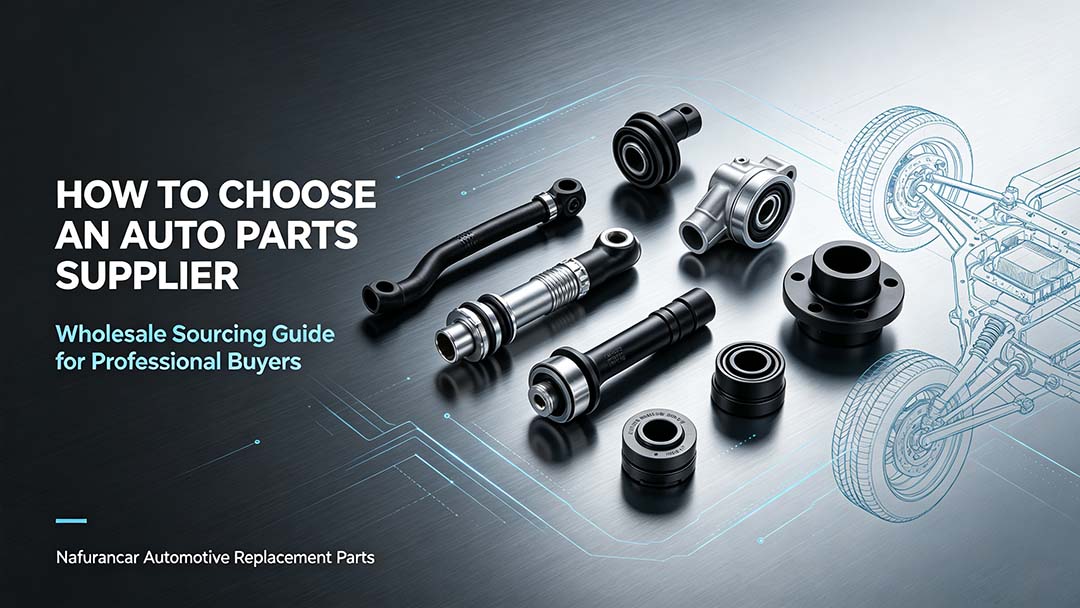
Choosing the right auto parts wholesale and distribution supplier is an important decision for repair shops, automotive wholesalers, retailers, distributors, and multi-location service businesses. A reliable supplier can help you maintain stable inventory, reduce procurement costs, improve delivery efficiency, and minimize costly returns caused by incorrect fitment or inconsistent product quality....
The automotive aftermarket for electric vehicles (EVs) and internal combustion engine (ICE) vehicles is undergoing a significant structural transformation. While the ICE aftermarket is gradually entering a mature, replacement-driven market characterized by slower growth and tighter margins, the EV aftermarket is moving into a high-growth stage with higher technical and service barriers. The key ch...
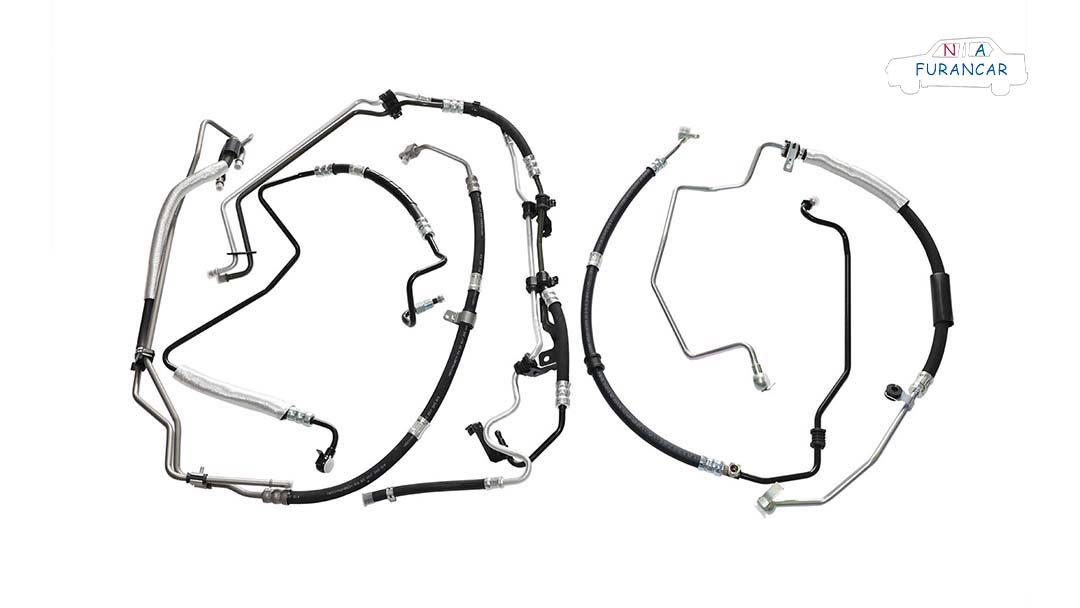
Power Steering Hose: Symptoms, Causes, Replacement Tips, and Safety Guide A power steering hose is a critical component of a hydraulic power steering system. It carries power steering fluid between the power steering pump, steering gear or rack, and other components, allowing the system to provide smooth and responsive steering assistance. Over time, heat, pressure, vibration, and exposure to powe...
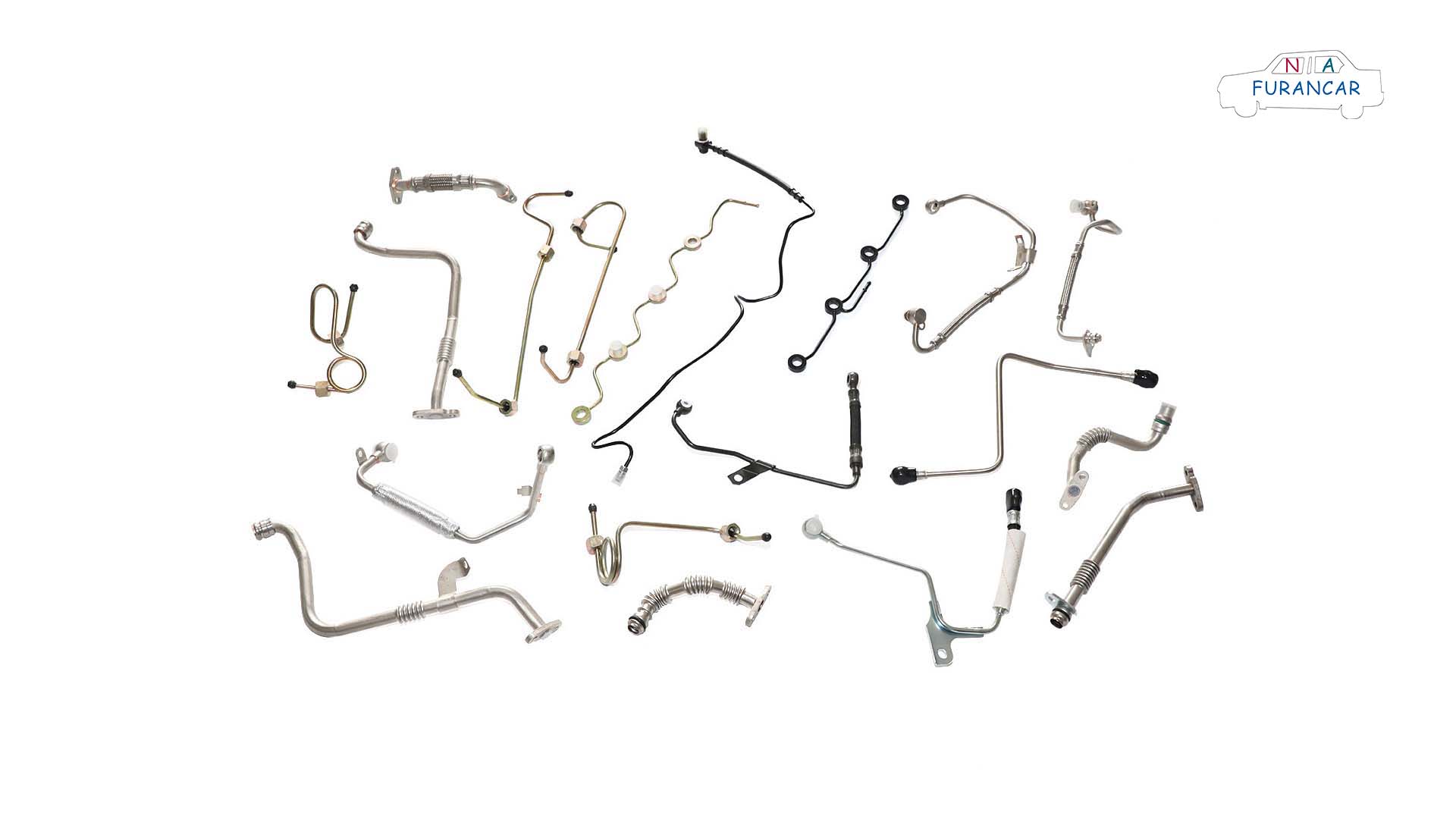
The turbocharger oil lines (inlet and return lines) are the ‘lifeline’ of the turbocharger, responsible for lubricating and cooling the turbocharger bearings. A fault in the oil lines can directly lead to damage to the turbocharger, which in turn can cause engine failure. Below are the common causes, symptoms and preventive measures for faults in the turbocharger oil lines: I. Common Causes of Tur...
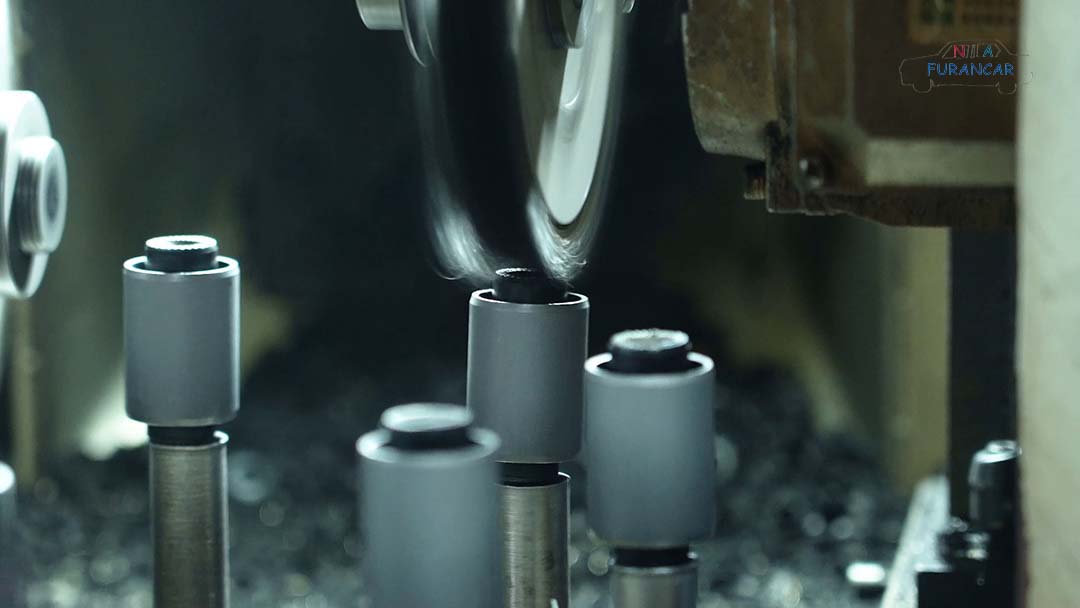
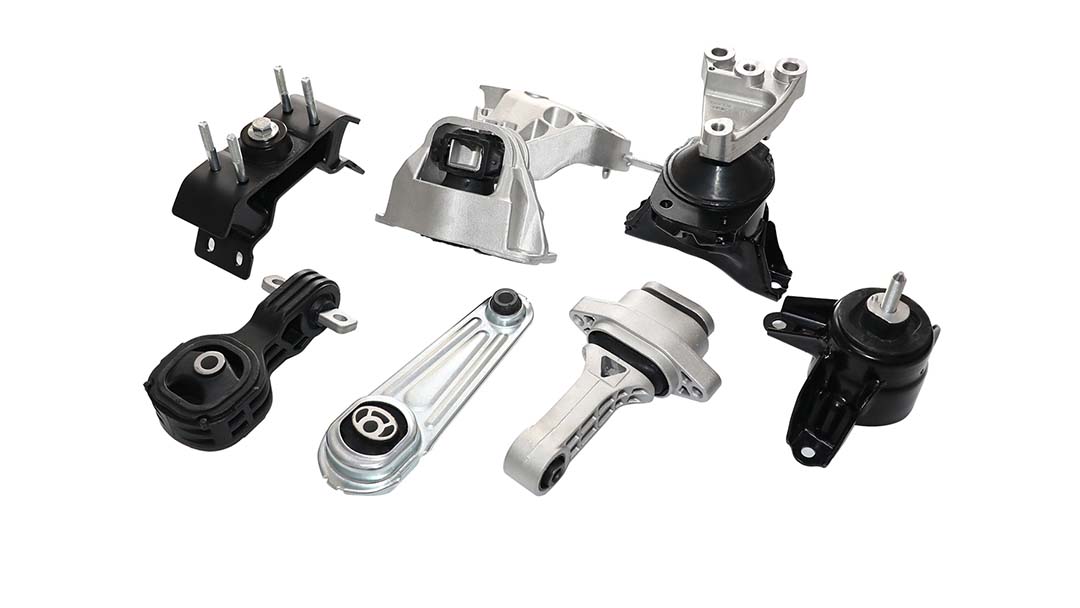
Engine mounts (engine mount pads) are key components that secure the engine and absorb vibrations. When they become worn, cracked or damaged, they lose their ability to dampen vibrations and secure the engine, leading to a range of abnormal symptoms in the vehicle. Common signs that they need replacing are primarily evident in the following five areas: 1. Abnormal shaking and increased vibration N...
In 2026, with the full implementation of the ‘trade-in’ policy, the ageing of the vehicle fleet and the automotive industry’s transition towards new energy vehicles, older vehicles are driving a profound structural shift in the demand for automotive parts through two pathways: ‘phasing out’ and ‘life extension and maintenance’. The specific drivers and impacts are as follows: I. Pathways for phasi...
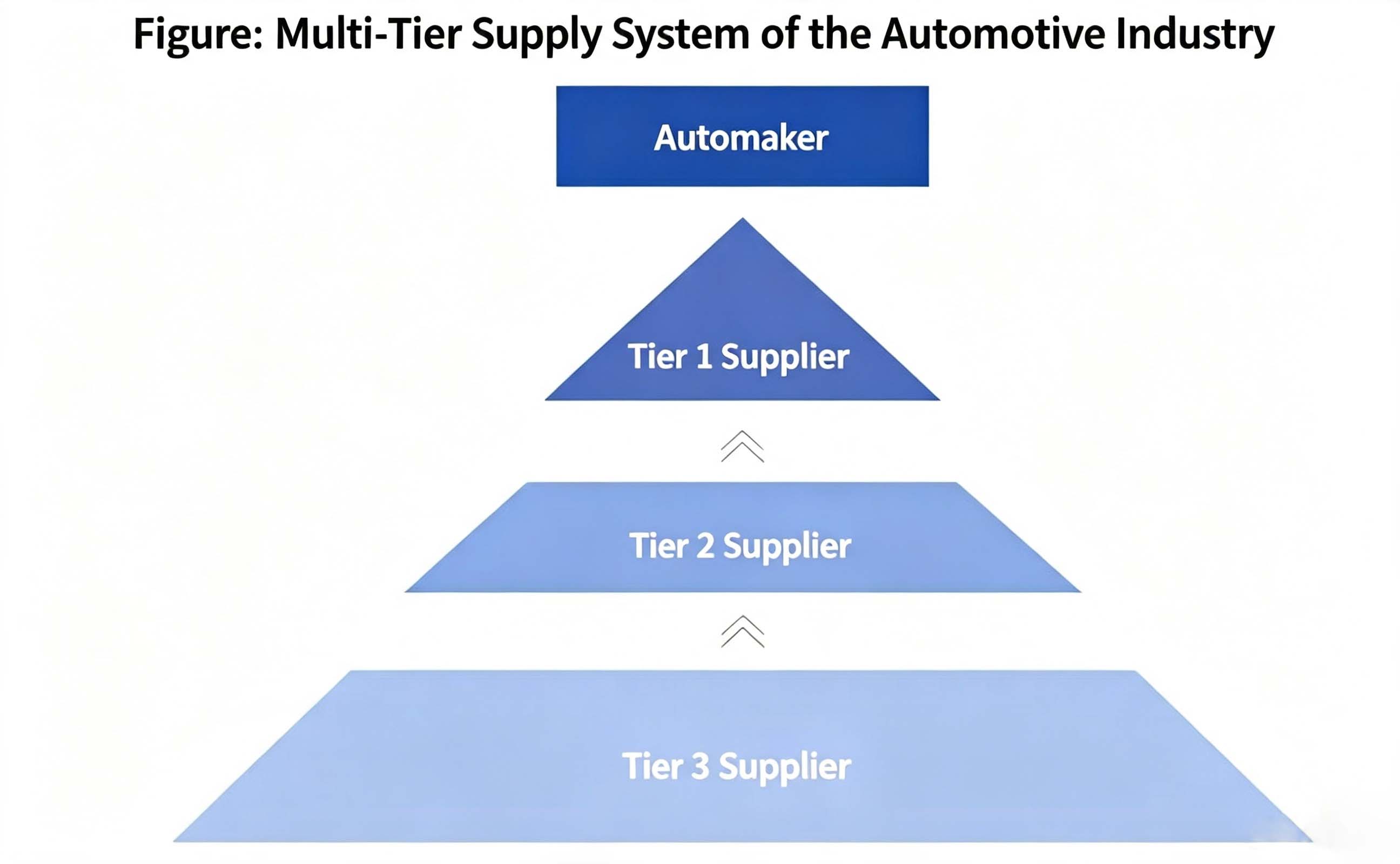
Through continuous development, the automotive industry has evolved into an integrated sector characterised by long production cycles, a high degree of coordination and large-scale manufacturing, and is heavily reliant on the automotive parts supply chain. A single car comprises as many as ten thousand components, which are supplied to vehicle manufacturers by suppliers at various levels of the up...
I. Working Principle of the Exhaust Gas Turbocharger The turbocharger comprises three parts: the turbine end (exhaust side), the compressor end (intake side) and the centre section (bearings, oil cooling and oil passages), which are rigidly connected on the same axis. 1. Exhaust-driven turbine High-temperature, high-pressure exhaust gases from the engine’s combustion process surge from the exhaust...
Do you get a musty smell when you get into your car in summer and switch on the air conditioning? Is the cooling less effective and is your fuel consumption higher? It’s very likely that your air conditioning ducts are too dirty! Today, let’s talk about the correct frequency and methods for cleaning your car’s air conditioning ducts. The dangers of not cleaning your car’s air conditioning system f...
Automotive hoses are an essential component of every vehicle. On average, each vehicle is fitted with approximately 20 metres of hose, which is vital for the smooth and efficient operation of various automotive systems. These hoses are highly flexible and are used to convey essential fluids and gases, ensuring the critical functions of the engine, fuel supply, braking and power steering systems. T...




 Whatsapp :
  Tel :
Tel :  Email :