I. Working Principle of the Exhaust Gas Turbocharger The turbocharger comprises three parts: the turbine end (exhaust side), the compressor end (intake side) and the centre section (bearings, oil cooling and oil passages), which are rigidly connected on the same axis. 1. Exhaust-driven turbine High-temperature, high-pressure exhaust gases from the engine’s combustion process surge from the exhaust...
In 2026, with the full implementation of the ‘trade-in’ policy, the ageing of the vehicle fleet and the automotive industry’s transition towards new energy vehicles, older vehicles are driving a profound structural shift in the demand for automotive parts through two pathways: ‘phasing out’ and ‘life extension and maintenance’. The specific drivers and impacts are as follows: I. Pathways for phasi...
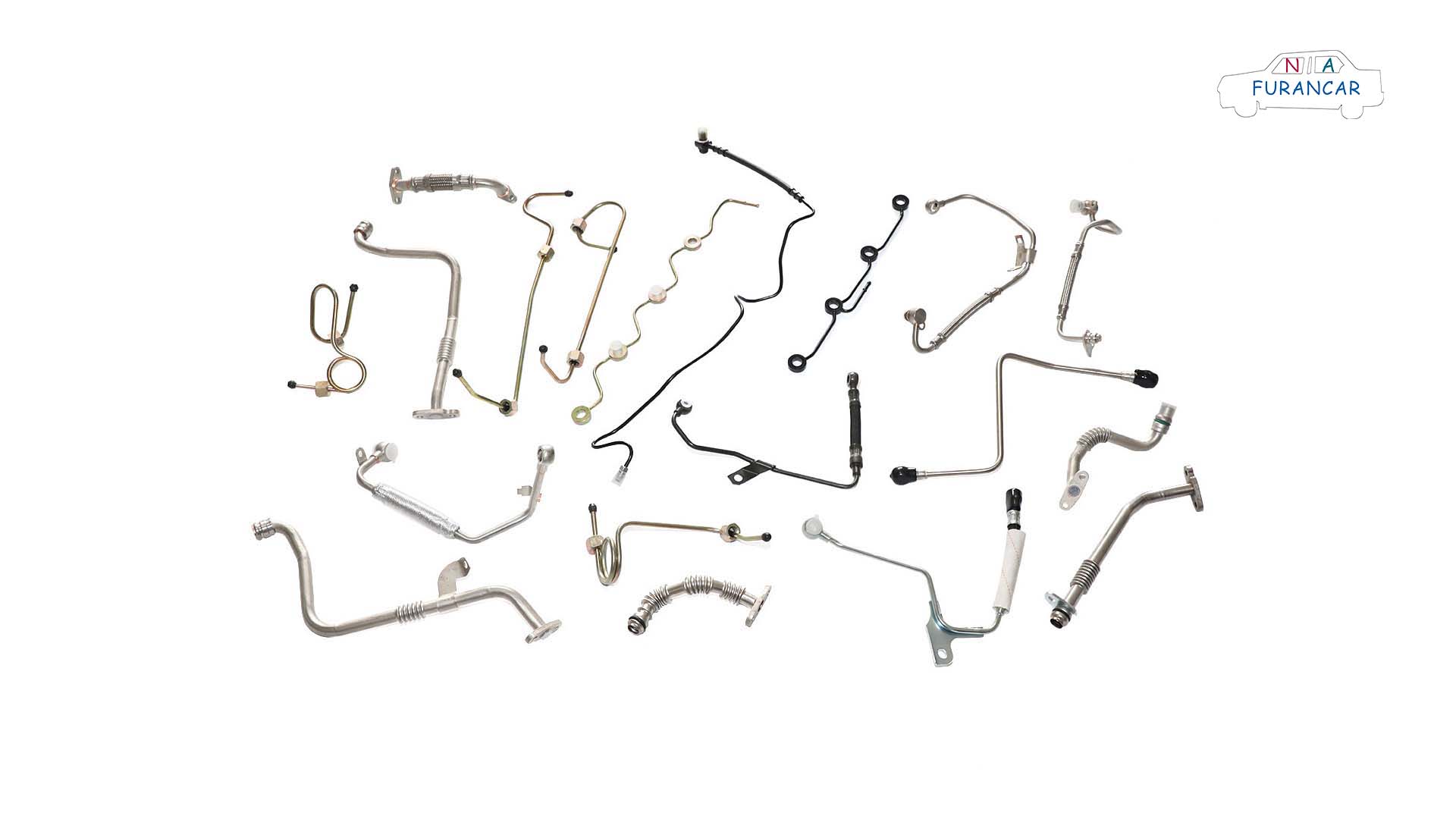
The turbocharger oil lines (inlet and return lines) are the ‘lifeline’ of the turbocharger, responsible for lubricating and cooling the turbocharger bearings. A fault in the oil lines can directly lead to damage to the turbocharger, which in turn can cause engine failure. Below are the common causes, symptoms and preventive measures for faults in the turbocharger oil lines: I. Common Causes of Tur...
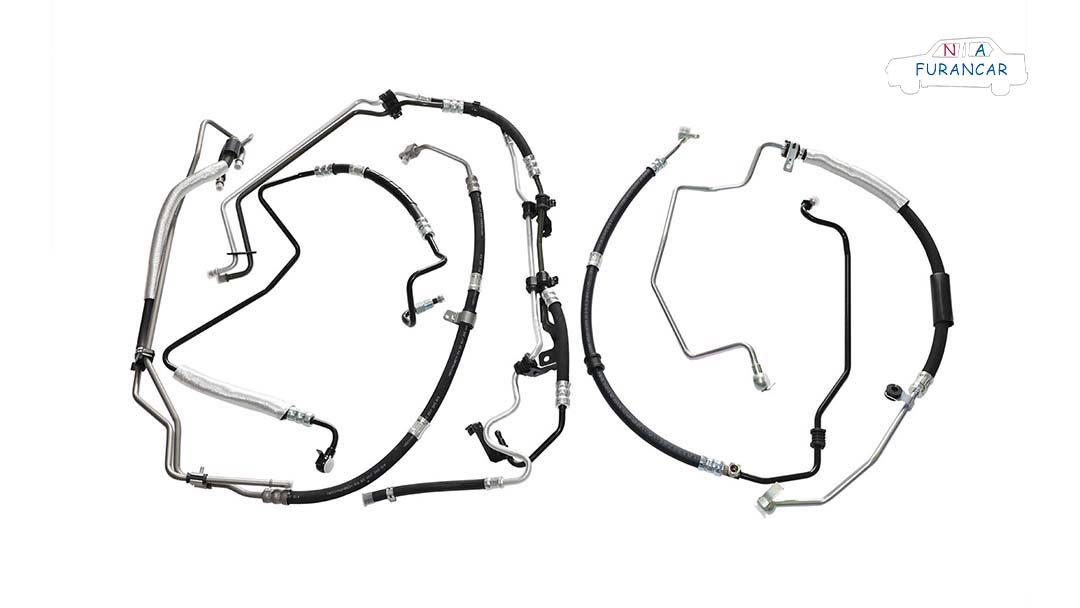
Power Steering Hose: Symptoms, Causes, Replacement Tips, and Safety Guide A power steering hose is a critical component of a hydraulic power steering system. It carries power steering fluid between the power steering pump, steering gear or rack, and other components, allowing the system to provide smooth and responsive steering assistance. Over time, heat, pressure, vibration, and exposure to powe...
Choosing the right auto parts wholesale and distribution supplier is an important decision for repair shops, automotive wholesalers, retailers, distributors, and multi-location service businesses. A reliable supplier can help you maintain stable inventory, reduce procurement costs, improve delivery efficiency, and minimize costly returns caused by incorrect fitment or inconsistent product quality....





 Whatsapp :
  Tel :
Tel :  Email :