
I.How it works
Core function: to convert the rotation of the steering wheel into wheel movement, thereby steering the vehicle.
1. Mechanical steering (non-power-assisted).
Steering wheel → steering column → steering gear (rack and pinion/recirculating ball) → steering linkage → steering knuckle → wheel deflection; driven entirely by human effort.
2. Hydraulic power steering (HPS).
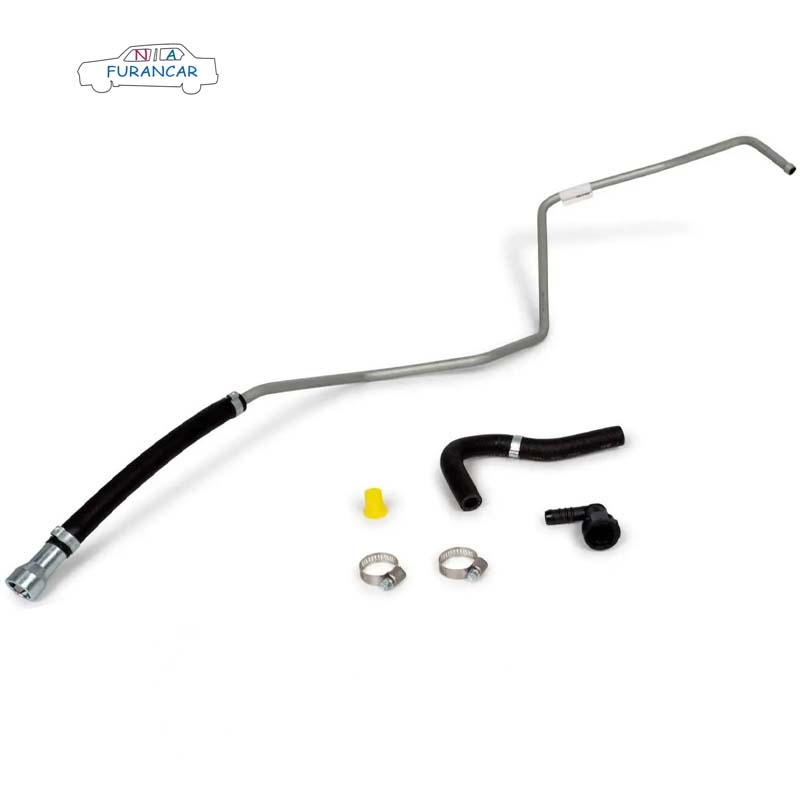
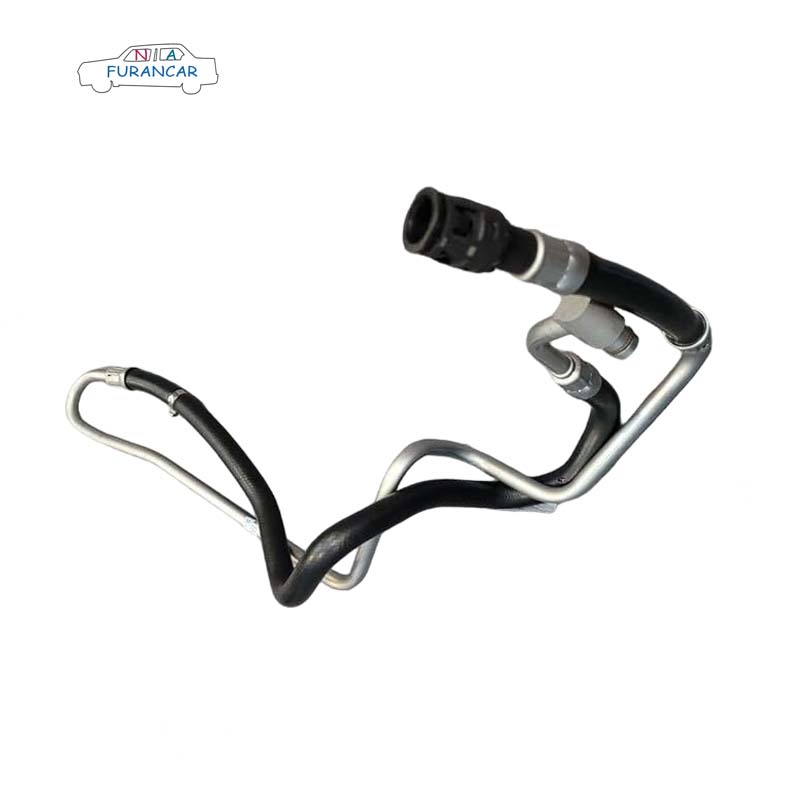
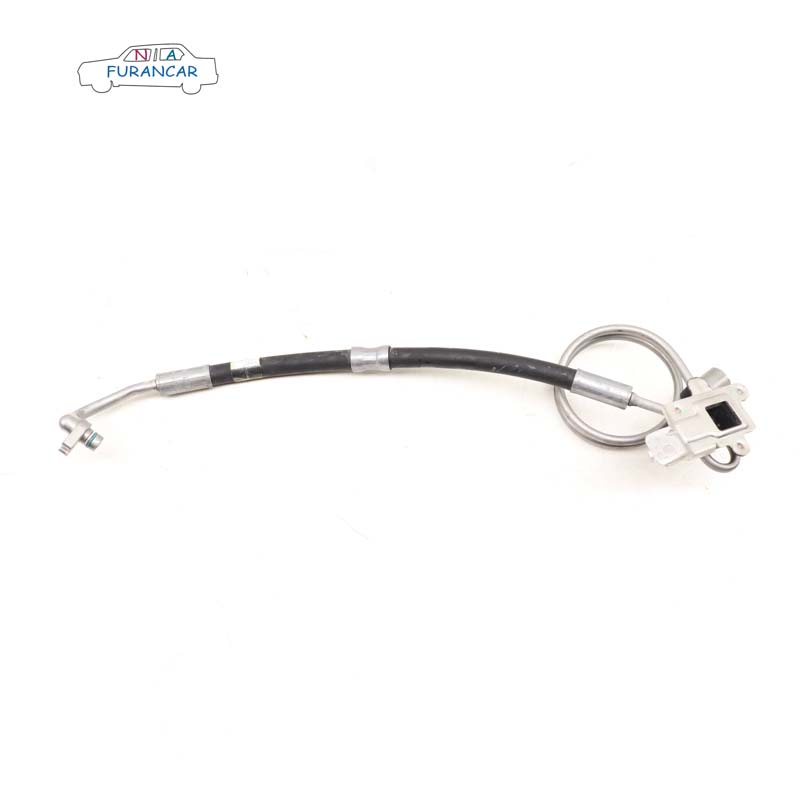
The mechanical structure is supplemented by a hydraulic pump, hydraulic hoses and a power steering cylinder. The engine drives the hydraulic pump to generate pressure, which assists the steering mechanism, making steering lighter.
3. Electric Power Steering (EPS).
Power assistance is provided directly by an electric motor, a torque sensor and a controller. It offers quick response, improved fuel economy and a simple design, and is currently the mainstream technology.
II. Common faults and solutions
1. Heavy steering; steering requires considerable effort.
Possible causes:
(1) Tyres are under-inflated.
(2) Hydraulic power steering system is low on fluid, has a leak, or the power steering pump is worn.
(3) Fault in the electric power steering motor or sensor.
(4) The ball joint on the steering tie rod or the plain bearing is seized.
Solution:
(1) Inflate the tyres to the recommended pressure.
(2) Check the power steering fluid; top up or replace it, and repair any leaks.
(3) Use a diagnostic scanner to read the EPS fault codes, and repair the sensors or motor.
(4) Lubricate or replace the ball joints and bearings.
2. Steering wheel pull (vehicle pulls to the left or right when driving in a straight line).
Possible causes:
(1) Uneven tyre pressure between the left and right tyres.
(2) Incorrect wheel alignment.
(3) Brake calipers sticking, causing uneven braking force between the left and right sides.
(4) Uneven lengths of the steering tie rods.
Solutions:
(1) Ensure all tyres are at the correct pressure.
(2) Have a four-wheel alignment carried out.
(3) Check the braking system.
(4) Adjust the steering linkage.
3. Steering noise (clunking or squeaking when turning the wheel).
Possible causes:
(1) Ageing of the steering ball joints or lower control arm rubber bushings.
(2) Wear on the plain bearings or top bushings.
(3) Stiff steering column universal joint.
(4) Noise caused by low fluid level in the power steering pump.
Solutions:
(1) Replace the ball joints and rubber bushings.
(2) Replace the shock absorber top bushings or plain bearings.
(3) Lubricate or replace the universal joints.
(4) Top up or replace the power steering fluid.
4. Steering wheel vibration and instability at high speeds.
Possible causes:
(1) Incorrect tyre balancing.
(2) Excessive play in the steering system.
(3) Warped wheel rims or bulging tyres.
Solutions:
(1) Have the tyres balanced.
(2) Check and tighten all components of the steering mechanism.
(3) Replace warped wheel rims or bulging tyres.
5. The steering lacks power and feels alternately light and heavy.
Possible causes:
(1) Blown EPS fuse or wiring fault.
(2) Power steering pump belt slipping or broken (hydraulic system).
(3) Power steering fluid too dirty or clogged.
Solutions:
(1) Check the fuse and wiring harness; repair the EPS module.
(2) Adjust or replace the belt.
(3) Replace the power steering fluid and flush the system.
6. The steering wheel is difficult to centre or does not return to its original position automatically.
Possible causes:
(1) Incorrect rearward or inward camber of the kingpins during wheel alignment.
(2) Sticking in the steering mechanism.
(3) Power steering system fault.
Remedies:
Perform wheel alignment, lubricate or replace steering components, and service the power steering system.
III. Recommendations for Routine Maintenance
1. Avoid turning the steering wheel fully to either side whilst stationary to reduce the load on the power steering system.
2. For vehicles with hydraulic power steering, change the power steering fluid regularly.
3. Have any unusual noises, pulling to one side or heavy steering checked as soon as possible to prevent minor faults from escalating.
4. Have a four-wheel alignment carried out promptly following an accident or any impact to the chassis.


 Whatsapp :
  Tel :
Tel :  Email :