Why can’t you hear the sound of metal scraping against metal when a car is driving on a bumpy road? Why do we often say that a car feels ‘soft’ or ‘stiff’? How is this achieved through suspension tuning? That’s right—it’s all down to the car’s bushings! Durable Car Bushings serve to absorb shocks, reduce friction, extend the life of components and enhance comfort. Who would have thought such a sma...
As a key component of a car’s chassis, the shock absorber serves to dampen the vibrations caused by the spring rebounding after absorbing shocks and to absorb the energy from road impacts. However, as friction between the components leads to rapid wear and tear, this is where its trusty companion, the ‘top rubber’, comes into its own. The high-quality top mount, acting as the spring seat at the to...
Nowadays, many car models feature badges such as ‘1.8T’ or ‘2.0T’ on the rear; the ‘T’ here indicates that the vehicle is fitted with a turbocharged engine. Fig. 1 A turbocharger (Fig. 1) utilises the exhaust gases from the engine to drive the turbine (located within the exhaust manifold); the turbine, in turn, drives the coaxial impeller situated within the intake manifold. The impeller compresse...
1. The power steering feels heavy or lacks assistance Symptoms: Heavy steering, with brief loss of hydraulic power assistance Causes of fault: ① Loose V-belt on the oil pump ② Oil level in the reservoir too low ③ Insufficient oil pump pressure ④ Pressure control valve sticking ⑤ Excessive external leakage ⑥ Excessive internal leakage ⑦ Steering shaft bushing too tight ⑧ Front suspension deformatio...
Power steering fluid is a vital fluid that provides power assistance to the steering system, helping the driver to manoeuvre the vehicle with ease. Due to various factors such as duration of use and environmental conditions, the power steering fluid must be checked and replaced after a certain period of use. The procedure is as follows: 1. Align the front wheels so that they are pointing straight ...
Automotive hoses are an essential component of every vehicle. On average, each vehicle is fitted with approximately 20 metres of hose, which is vital for the smooth and efficient operation of various automotive systems. These hoses are highly flexible and are used to convey essential fluids and gases, ensuring the critical functions of the engine, fuel supply, braking and power steering systems. T...
Do you get a musty smell when you get into your car in summer and switch on the air conditioning? Is the cooling less effective and is your fuel consumption higher? It’s very likely that your air conditioning ducts are too dirty! Today, let’s talk about the correct frequency and methods for cleaning your car’s air conditioning ducts. The dangers of not cleaning your car’s air conditioning system f...
I. Working Principle of the Exhaust Gas Turbocharger The turbocharger comprises three parts: the turbine end (exhaust side), the compressor end (intake side) and the centre section (bearings, oil cooling and oil passages), which are rigidly connected on the same axis. 1. Exhaust-driven turbine High-temperature, high-pressure exhaust gases from the engine’s combustion process surge from the exhaust...
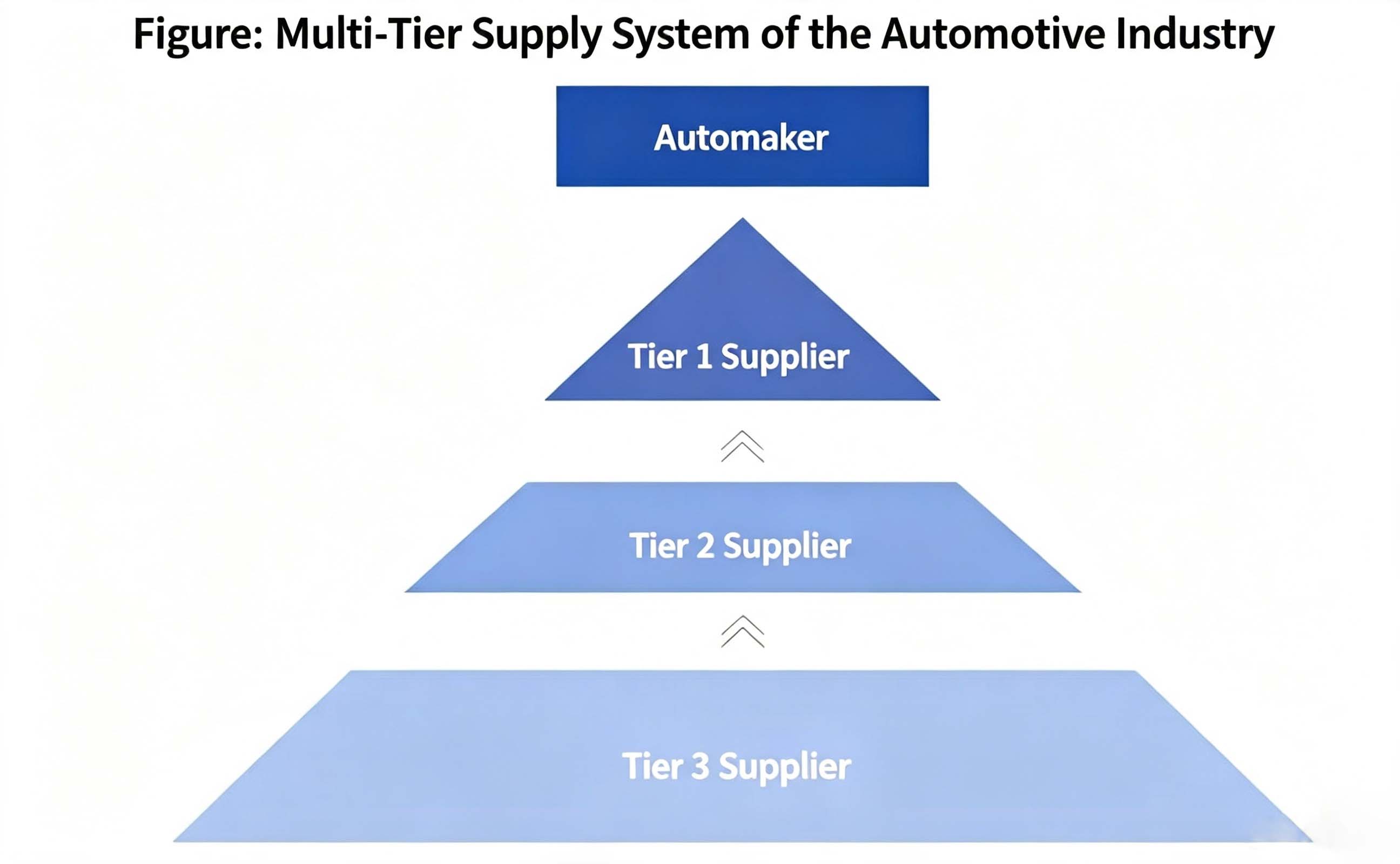
Through continuous development, the automotive industry has evolved into an integrated sector characterised by long production cycles, a high degree of coordination and large-scale manufacturing, and is heavily reliant on the automotive parts supply chain. A single car comprises as many as ten thousand components, which are supplied to vehicle manufacturers by suppliers at various levels of the up...
In 2026, with the full implementation of the ‘trade-in’ policy, the ageing of the vehicle fleet and the automotive industry’s transition towards new energy vehicles, older vehicles are driving a profound structural shift in the demand for automotive parts through two pathways: ‘phasing out’ and ‘life extension and maintenance’. The specific drivers and impacts are as follows: I. Pathways for phasi...
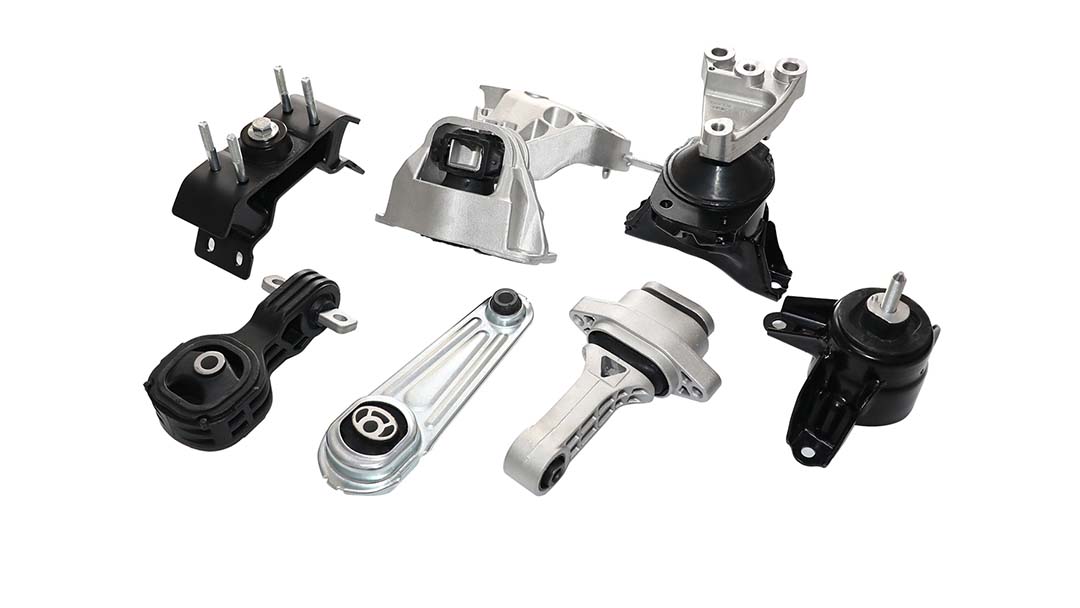
Engine mounts (engine mount pads) are key components that secure the engine and absorb vibrations. When they become worn, cracked or damaged, they lose their ability to dampen vibrations and secure the engine, leading to a range of abnormal symptoms in the vehicle. Common signs that they need replacing are primarily evident in the following five areas: 1. Abnormal shaking and increased vibration N...




 Whatsapp :
  Tel :
Tel :  Email :