
Power steering fluid is a vital fluid that provides power assistance to the steering system, helping the driver to manoeuvre the vehicle with ease. Due to various factors such as duration of use and environmental conditions, the power steering fluid must be checked and replaced after a certain period of use. The procedure is as follows:
1. Align the front wheels so that they are pointing straight ahead, jack up the front of the vehicle so that the front wheels can turn freely, and support the front axle with a fixed support.
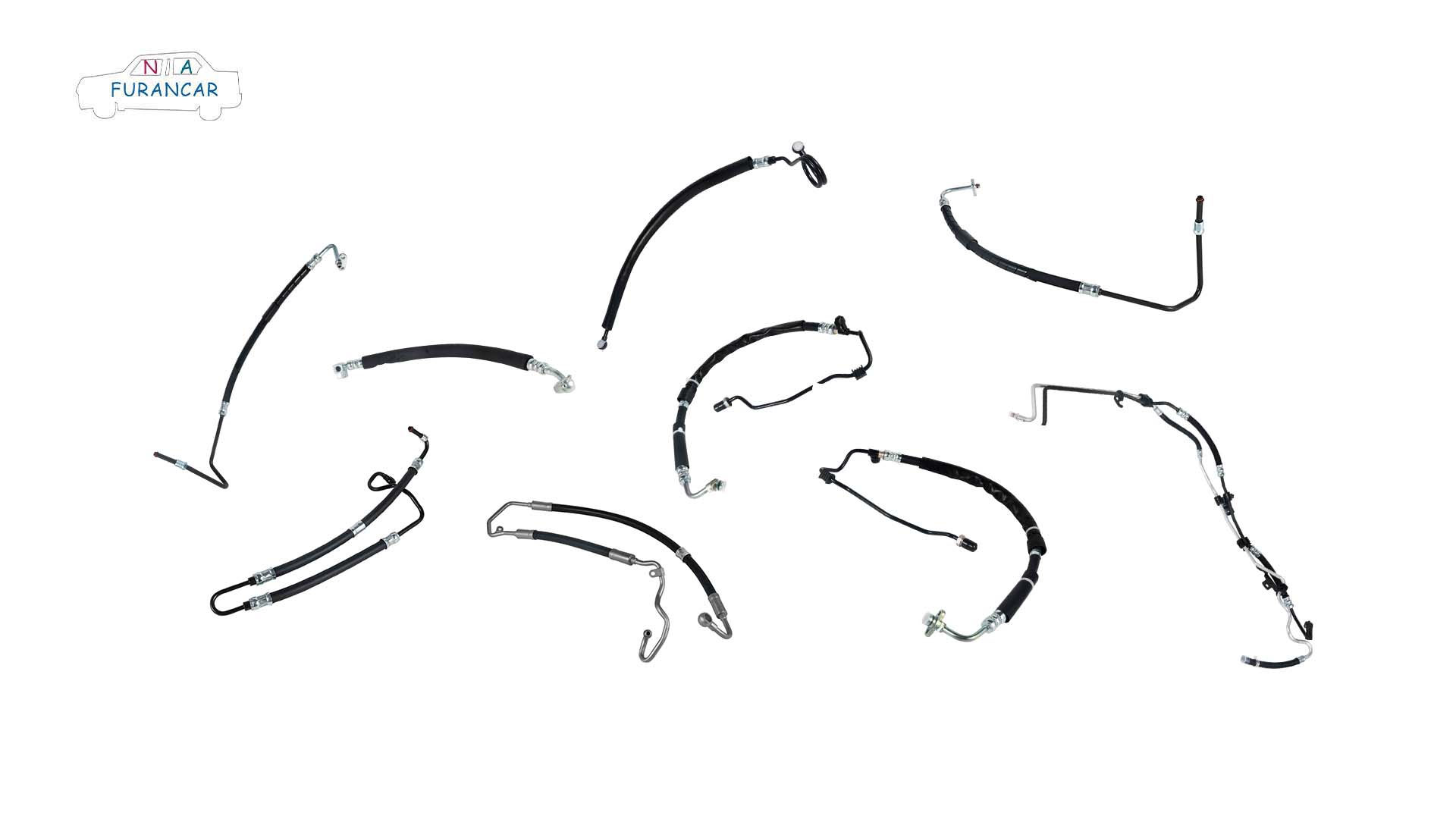
2. Disconnect the power steering inlet and outlet hoses from the power steering unit, and place the hose fittings and gaskets in a container filled with clean power steering fluid to clean them; open the cap of the power steering fluid reservoir to allow the fluid to drain out naturally.
3. With the oil lines disconnected, turn the steering wheel repeatedly to its left and right limit positions several times to drain the old hydraulic fluid from the power cylinder, and place a drip tray underneath to prevent the hydraulic fluid from splashing onto other components.
4. Once the hydraulic oil has been completely drained, the oil lines should be refitted.
5. Once the reservoir has been filled with fresh hydraulic oil, start the engine and allow it to run at idle speed. The oil level will drop immediately, so top up the hydraulic oil continuously. Once the level in the reservoir has stabilised, top up the hydraulic oil to the ‘MAX’ mark on the reservoir.
6. Once the engine speed has reached medium speed, turn the steering wheel several times to the left and right to allow the air in the hydraulic system to flow back into the reservoir and be expelled. Therefore, continue the bleeding procedure until all air bubbles in the reservoir have completely disappeared, and top up the hydraulic oil at all times to the upper mark on the dipstick.
7. Once the bleeding operation is complete, wipe away any oil residue, turn the steering wheel several times to the left and right, and check all parts for oil leaks. Once the front wheels are in the straight-ahead position, switch off the engine, remove the support stand and lower the front wheels. Check once again that the hydraulic oil level reaches the upper limit mark on the reservoir.


 Whatsapp :
  Tel :
Tel :  Email :