Nowadays, many car models feature badges such as ‘1.8T’ or ‘2.0T’ on the rear; the ‘T’ here indicates that the vehicle is fitted with a turbocharged engine. Fig. 1 A turbocharger (Fig. 1) utilises the exhaust gases from the engine to drive the turbine (located within the exhaust manifold); the turbine, in turn, drives the coaxial impeller situated within the intake manifold. The impeller compresse...
I. Working Principle of the Exhaust Gas Turbocharger The turbocharger comprises three parts: the turbine end (exhaust side), the compressor end (intake side) and the centre section (bearings, oil cooling and oil passages), which are rigidly connected on the same axis. 1. Exhaust-driven turbine High-temperature, high-pressure exhaust gases from the engine’s combustion process surge from the exhaust...
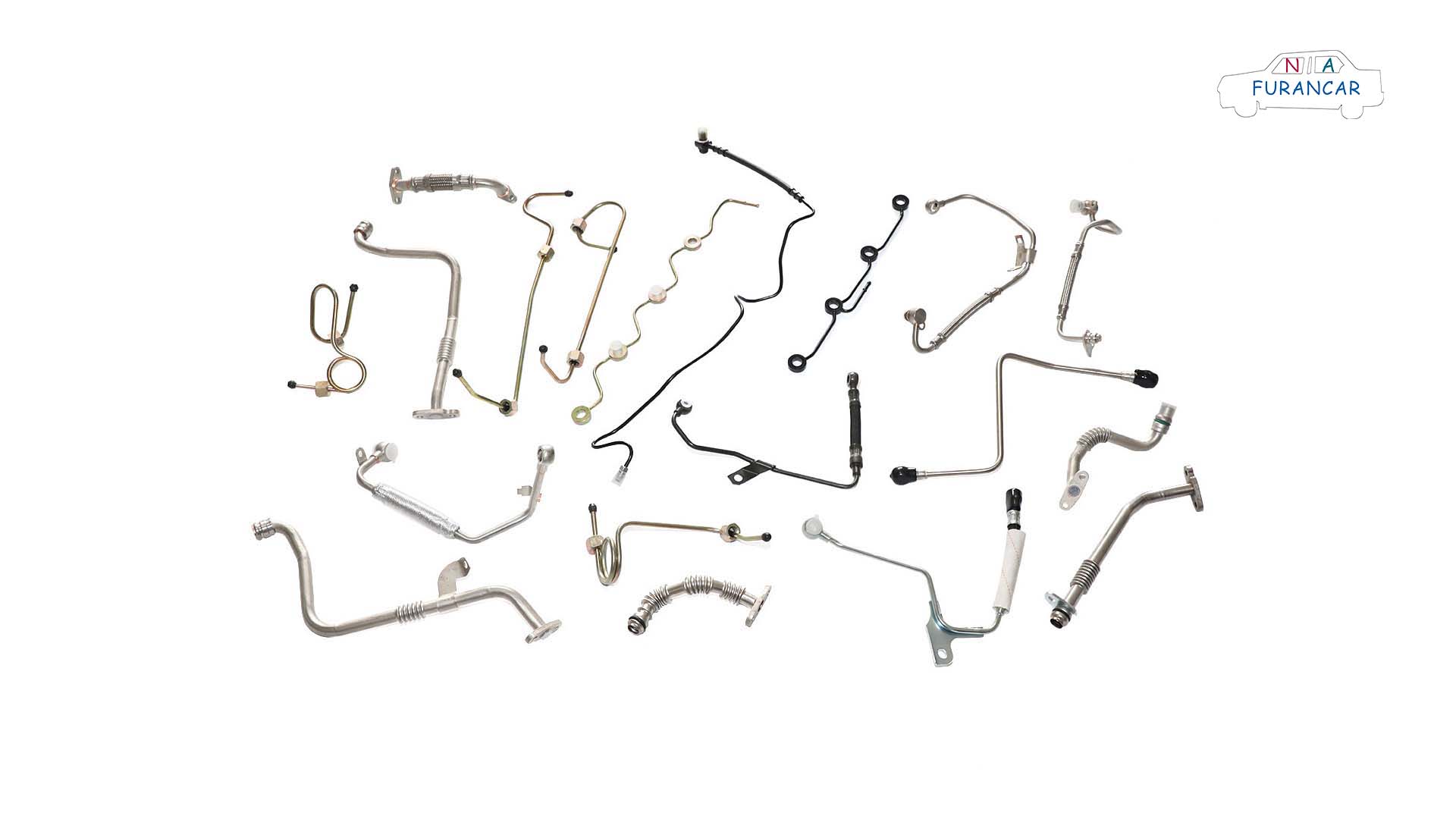
The turbocharger oil lines (inlet and return lines) are the ‘lifeline’ of the turbocharger, responsible for lubricating and cooling the turbocharger bearings. A fault in the oil lines can directly lead to damage to the turbocharger, which in turn can cause engine failure. Below are the common causes, symptoms and preventive measures for faults in the turbocharger oil lines: I. Common Causes of Tur...
Choosing the right auto parts wholesale and distribution supplier is an important decision for repair shops, automotive wholesalers, retailers, distributors, and multi-location service businesses. A reliable supplier can help you maintain stable inventory, reduce procurement costs, improve delivery efficiency, and minimize costly returns caused by incorrect fitment or inconsistent product quality....



 Whatsapp :
  Tel :
Tel :  Email :