Have you ever thought about the purpose of a car Shock absorber strut? Every car has some kind of suspension system. Without car shocks, driving down the road would be a very uncomfortable ride. Imagine having no suspension. This means that if you drive over any kind of bump or pothole, you will feel a hard bounce. Car shocks that are in good condition reduce the size and feel of the bounce. Locat...
Car air conditioning, an indispensable ‘must-have’ for driving in the sweltering summer heat, provides us with a comfortable environment whilst on the road. If the compressor is the heart of the air-conditioning system, then the vehicle’s air-conditioning piping is its circulatory system, connecting the various air-conditioning components scattered throughout the vehicle to form a complete and eff...
With the rapid development of the automotive industry, automotive air-conditioning systems have significantly enhanced driving and passenger comfort, and there is growing emphasis on their functional requirements and technological innovation. The performance of the air-conditioning system relies on the connections within the piping system, such as high-pressure and low-pressure lines; consequently...
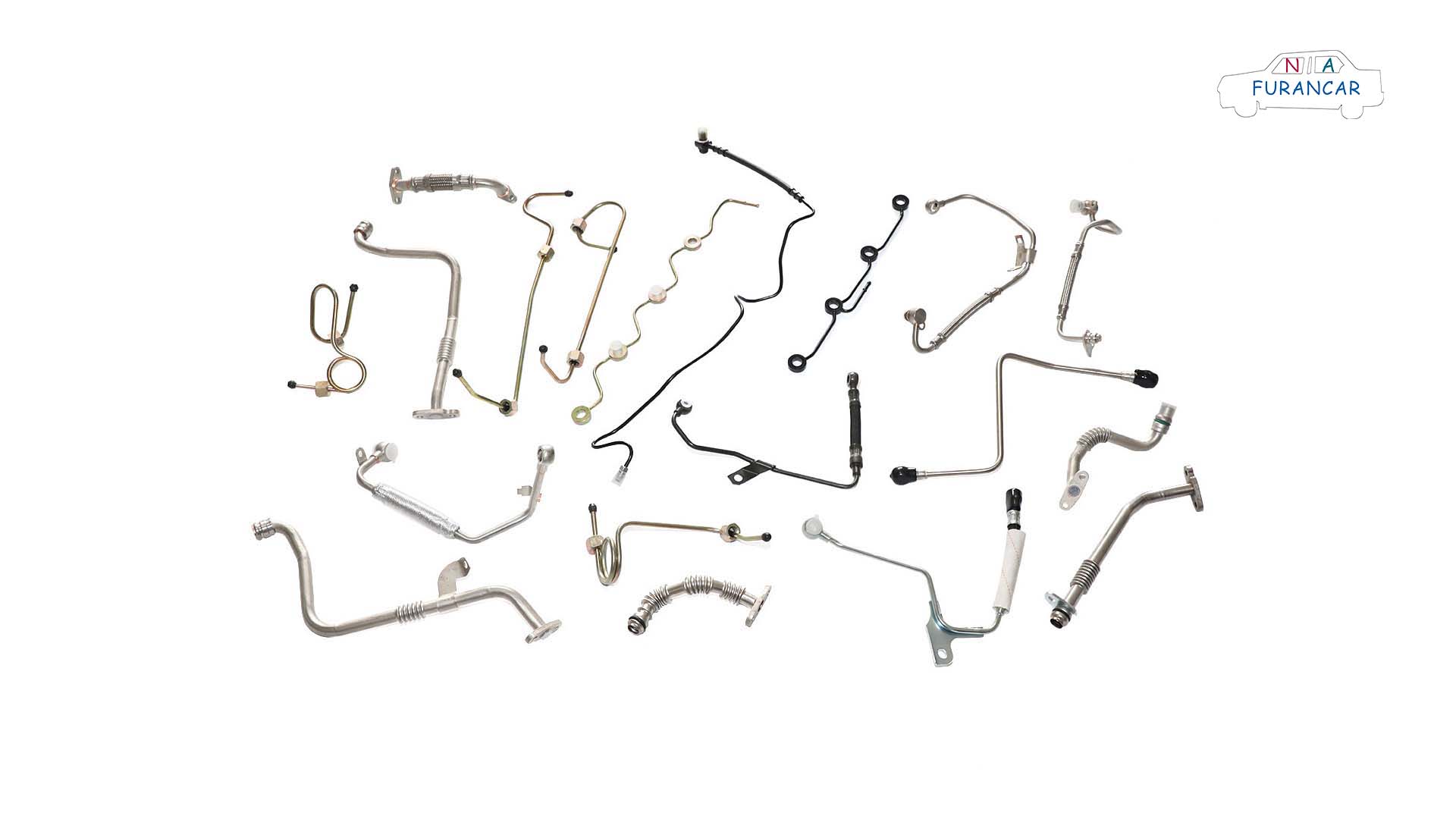
Modern turbocharged engines rely heavily on stable lubrication and oil circulation to maintain performance and durability. One small but critical component in this system is the Turbocharger Oil Feed Pipe. Although it may appear simple, the manufacturing quality of this pipe directly affects turbocharger lifespan, oil flow stability, sealing performance, and overall engine reliability. For Europea...
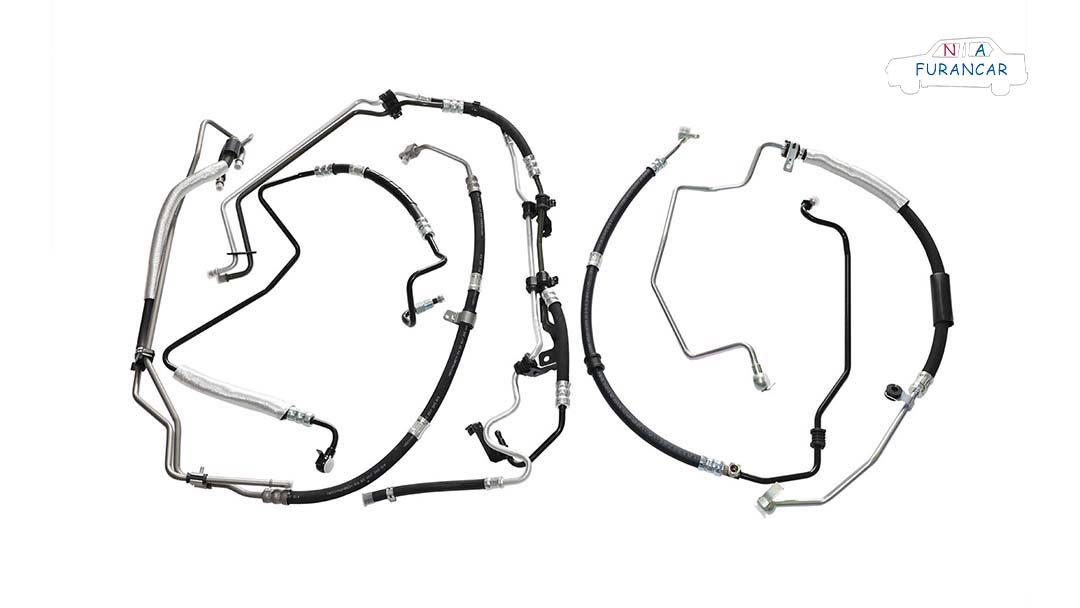
SAE J188 High-Capacity Intumescent Power Steering Hose Application: For vehicles equipped with power steering systems, used to transmit pressure within the power steering unit. Operating temperature: -40°C to 121°C, with a peak temperature of up to 135°C. Standard inner diameter: 3/8”. The primary material is CSM, which offers excellent resistance to ozone, ageing, chemical corrosion, high and low...
Air conditioning piping connects the four major components of the system—the compressor, condenser, evaporator and expansion valve—to form a closed system, within which the refrigerant is stored or circulates. When the air conditioning system is in operation, the refrigerant circulates continuously, exchanging heat with the outside environment to achieve the cooling function. To ensure the refrige...
The turbocharger oil lines (inlet and return lines) are the ‘lifeline’ of the turbocharger, responsible for lubricating and cooling the turbocharger bearings. A fault in the oil lines can directly lead to damage to the turbocharger, which in turn can cause engine failure. Below are the common causes, symptoms and preventive measures for faults in the turbocharger oil lines: I. Common Causes of Tur...
Power Steering Hose: Symptoms, Causes, Replacement Tips, and Safety Guide A power steering hose is a critical component of a hydraulic power steering system. It carries power steering fluid between the power steering pump, steering gear or rack, and other components, allowing the system to provide smooth and responsive steering assistance. Over time, heat, pressure, vibration, and exposure to powe...
The automotive aftermarket for electric vehicles (EVs) and internal combustion engine (ICE) vehicles is undergoing a significant structural transformation. While the ICE aftermarket is gradually entering a mature, replacement-driven market characterized by slower growth and tighter margins, the EV aftermarket is moving into a high-growth stage with higher technical and service barriers. The key ch...
I. The Function of Car Air Conditioning (1) Definition of Air Conditioning ‘Air conditioning’ is a term with which people are very familiar, as air conditioning units (commonly referred to as ‘air con’) are installed in many workplaces and homes. Air conditioning refers to the regulation of the temperature, humidity and freshness of the air within an enclosed space, so that the indoor environment ...



 Whatsapp :
  Tel :
Tel :  Email :